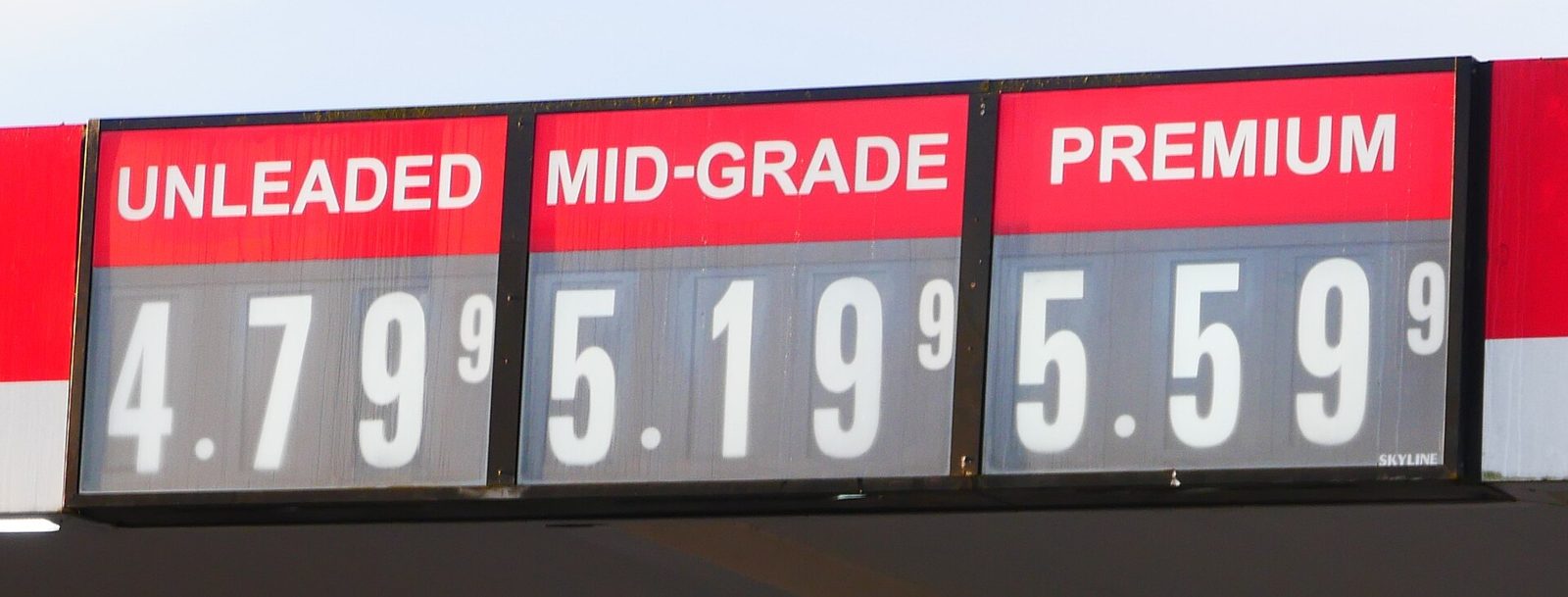
New cars now average more than $50,000, and shoppers are shifting toward hybrids and lower-priced models, which may change how you plan your next car.
What happened
On October 1, 2026, automakers reported their U.S. sales for the third quarter, which covers July through September.
General Motors, the country's top-selling automaker, sold 670,974 vehicles. That was down 5.5% from a year earlier. Sales of GM's electric vehicles dropped sharply. For example, Quartz reported that sales of the Chevrolet Equinox EV fell more than 92%.
Toyota went the other way. Toyota Motor North America, which includes the Toyota and Lexus brands, sold 633,223 vehicles, up 0.6%. Its electrified vehicles, which include hybrids that pair a gas engine with a battery, made up 57.4% of its sales. Those sales rose 28.5%.
That left GM ahead by about 38,000 vehicles. Bloomberg reported that high prices are reshaping the market and helping brands that offer more lower-cost models.
Why prices are shaping the market
Car shopping has gotten expensive. According to Bloomberg:
- The average price of a new car topped $50,000 in August. Before the pandemic, it was under $40,000.
- The average monthly payment on a new car likely rose to $821 in September, a record for that month.
- Toyota and Hyundai offer several models that start under $30,000, while Detroit automakers have few.
Hybrids are a bright spot. Bloomberg reported that Toyota's electrified sales rose almost 40% in September, and Hyundai's hybrid sales rose 35%.
Incentives are growing, too. An incentive is a discount or deal from the automaker, like cash back or a low loan rate. J.D. Power data cited by Bloomberg showed average incentives of nearly $3,600 per vehicle, up 7.3% from a year ago.
What this means for your wallet
For young couples, a car payment can be one of the biggest monthly bills after housing. Before you shop, it may help to decide what payment fits your budget, not what the dealer says you qualify for.
Some terms to know:
- APR (annual percentage rate): The yearly cost of your loan, including interest and some fees. A lower APR means a cheaper loan.
- Loan term: How many months you take to pay off the car. Longer terms lower the monthly payment but usually mean you pay more interest overall.
- Out-the-door price: The full price including taxes, fees and add-ons. This is the number to compare, not the sticker price.
A long loan can also leave you "upside down," which means you owe more than the car is worth. That can be a problem if you need to sell or trade it in early.
How to shop smart right now
Consider these steps before you visit a dealer:
- Set a total budget. Include the payment, insurance, gas or charging, and upkeep. Insurance can vary widely by model, so get quotes first.
- Get preapproved. A loan offer from your bank or credit union gives you a rate to compare against dealer financing.
- Look at lower-priced models and hybrids. With several models starting under $30,000, you may find good value without a big payment. Hybrids could save on fuel, too.
- Ask about incentives. With deals averaging nearly $3,600, it may be worth asking what cash back or special rates are available. Offers change monthly.
- Consider certified used. A certified pre-owned car has been inspected and often comes with an extended warranty. It may cost less than new.
- Negotiate the price, not the payment. Agree on the out-the-door price first, then talk about financing. This keeps costs from hiding inside a longer loan.
- Make a down payment if you can. Putting more down lowers the amount you borrow and can help you avoid being upside down.
If you and your partner share finances, talk through the purchase together. Agreeing on a budget ahead of time can make the dealership visit less stressful.
This article is for education only and is not financial advice. Everyone's situation is different.
Look at the total cost, not just the monthly payment
Dealers often focus on the monthly payment, but a lower payment can hide a higher price, a longer loan or add-ons you don’t need. Negotiate the out-the-door price first, including taxes and fees, then discuss financing separately. Getting preapproved for a car loan from a bank or credit union before you shop gives you a rate to compare against dealer financing.
Be cautious about very long loan terms. Stretching a loan to seven years or more lowers the monthly payment but increases total interest and raises the risk of owing more than the car is worth. A shorter term, a larger down payment or a slightly less expensive vehicle can save thousands.
Consider certified pre-owned
If new prices are out of reach, certified pre-owned vehicles can offer a middle ground. They’re typically inspected and often come with an extended manufacturer warranty, though they cost more than comparable used cars without certification.
Content on The Evergreen Edit is for educational and informational purposes only and is not individualized financial, investment, tax or legal advice. Learn more.
This article is for educational purposes only and isn't personalized financial, tax or legal advice. Consider talking with a qualified professional about your situation.

Kiara Miller — Founder & Editor
Kiara Miller is the founder and editor of The Evergreen Edit. He has been doing independent finance research for two decades and reviews every article before it's published.
More about Kiara →Get smarter about your money.
Join readers who get The Sunday Edit every week.