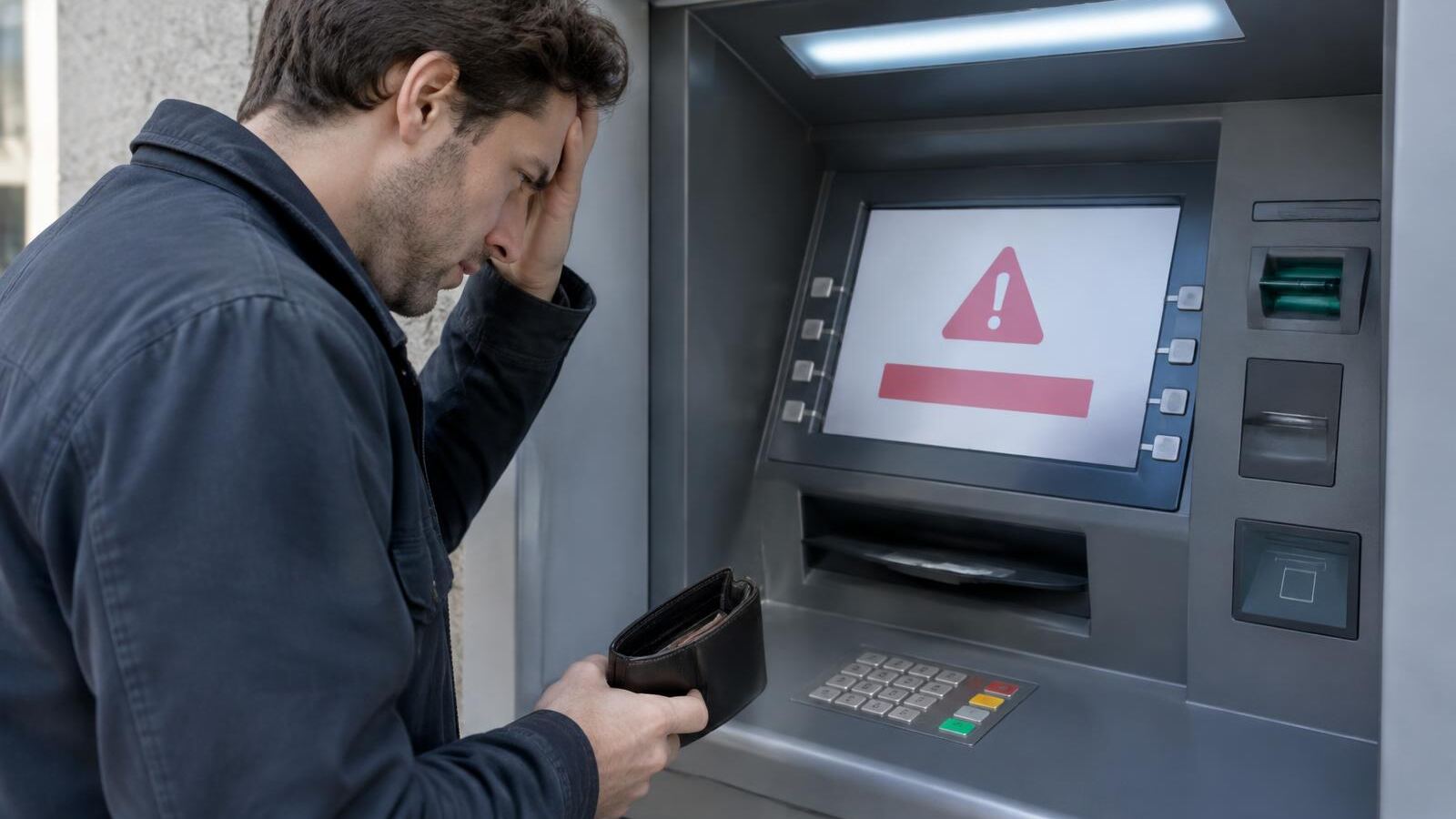
Bank fees may seem small, a few dollars here and there, but they can add up to hundreds of dollars a year. Overdraft fees, monthly maintenance fees, ATM charges and other fees take money directly out of your pocket. The good news is that most bank fees are avoidable with a few simple strategies.
Overdraft and nonsufficient funds fees
An overdraft happens when you spend more than your account balance and the bank covers the transaction, allowing your balance to go negative. Many banks charge an overdraft fee each time this happens, which can quickly add up if multiple transactions overdraw your account.
A nonsufficient funds fee, sometimes called an NSF or returned item fee, may be charged when the bank declines a transaction, such as a check or automatic payment, because you don’t have enough money. Many large banks have reduced or eliminated these fees in recent years, but policies vary.
For ATM withdrawals and one-time debit card purchases, federal rules require banks to get your permission, called opting in, before charging overdraft fees. If you don’t opt in, those transactions are typically declined when you don’t have enough money, rather than going through with a fee. You can choose not to opt in, or you can opt out if you previously opted in. This rule doesn’t apply to checks and recurring automatic payments.
How to avoid overdraft fees
Set up low-balance alerts. Most banks let you receive text or email alerts when your balance drops below a certain amount, giving you time to transfer money or adjust spending.
Link a savings account for overdraft protection. If you overdraw your checking account, the bank automatically transfers money from your linked savings account to cover it. Ask about any transfer fee, which is usually much lower than an overdraft fee, and some banks don’t charge one.
Keep a buffer in your checking account. Maintaining a small cushion, such as a few hundred dollars, helps prevent accidental overdrafts.
Track your spending and pending transactions. Keep in mind that some transactions, like checks or automatic payments, may take time to clear.
Time automatic payments carefully. Schedule automatic bill payments shortly after your paycheck arrives, so funds are available.
Consider banks with no or low overdraft fees. Many banks and credit unions now offer accounts with no overdraft fees or features that give you a grace period to bring your balance back up.
Monthly maintenance fees
Many checking and savings accounts charge a monthly maintenance fee unless you meet certain requirements. Common ways to waive these fees include maintaining a minimum daily or average balance, setting up direct deposit of a certain amount each month, making a minimum number of debit card transactions, linking accounts or being a student or senior.
Ask your bank exactly how to waive the fee, and make sure you consistently meet the requirements. If you can’t meet them, consider switching to a no-fee account.
ATM fees
Using an ATM outside your bank’s network can result in two fees: one from your bank and one from the ATM owner. These fees can add up quickly.
Use your bank’s ATMs or ATMs in its network. Many banks participate in large ATM networks that offer free withdrawals at thousands of locations. Your bank’s app can help you find in-network ATMs.
Look for banks that refund out-of-network ATM fees. Some banks, especially online banks, reimburse ATM fees up to a certain amount each month.
Get cash back with debit purchases at grocery stores, pharmacies and other retailers, which is often free.
Plan ahead to withdraw cash less frequently in larger amounts, reducing the number of ATM visits.
Other fees to watch
Paper statement fees can be avoided by switching to electronic statements. Foreign transaction fees, typically a percentage of purchases made abroad or in foreign currencies, can be avoided by using a card without these fees. Wire transfer fees can be significant, so consider alternatives, like free bank transfers, when possible. Account closing fees may apply if you close an account shortly after opening it. Fees for stop payments, cashier’s checks and replacement cards are also common.
Review your bank’s fee schedule, which lists all fees, to understand what you might be charged.
Consider switching banks
If you’re paying regular fees, it may be worth switching banks. Many online banks and credit unions offer checking accounts with no monthly fees, no minimum balance requirements and low or no overdraft fees. Online banks often offer higher interest rates on savings as well.
When choosing a bank, make sure any account is FDIC-insured for banks or NCUA-insured for credit unions, which protects your deposits up to legal limits. Consider factors like ATM access, mobile app features, customer service and how you’ll deposit cash if needed.
Review your statements regularly
Check your bank statements each month for fees you weren’t expecting. Catching fees early lets you address them and adjust your habits to avoid them in the future. Small changes can save you a meaningful amount each year.
Content on The Evergreen Edit is for educational and informational purposes only and is not individualized financial, investment, tax or legal advice. Learn more.
This article is for educational purposes only and isn't personalized financial, tax or legal advice. Consider talking with a qualified professional about your situation.

Kiara Miller — Founder & Editor
Kiara Miller is the founder and editor of The Evergreen Edit. He has been doing independent finance research for two decades and reviews every article before it's published.
More about Kiara →Get smarter about your money.
Join readers who get The Sunday Edit every week.