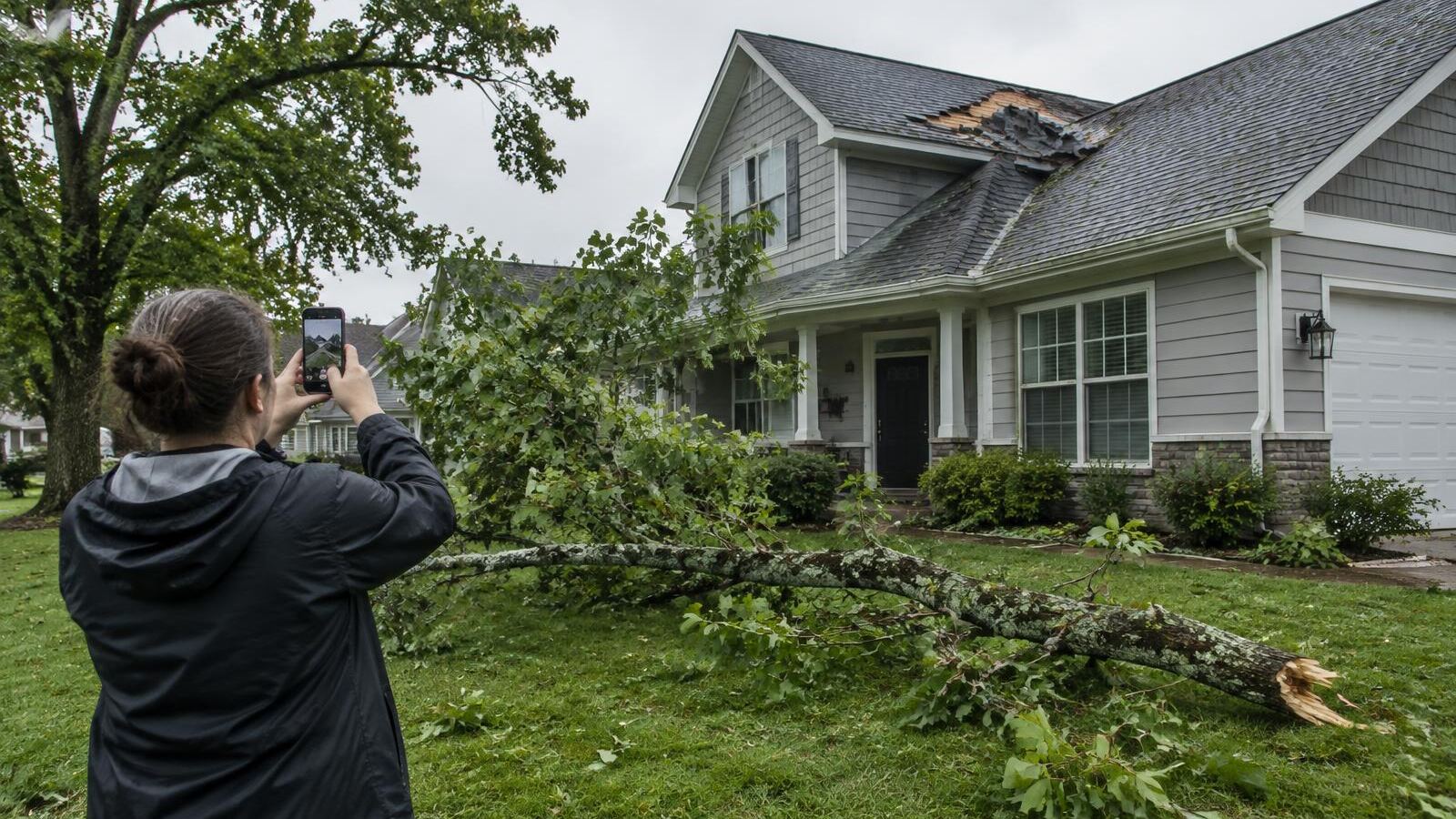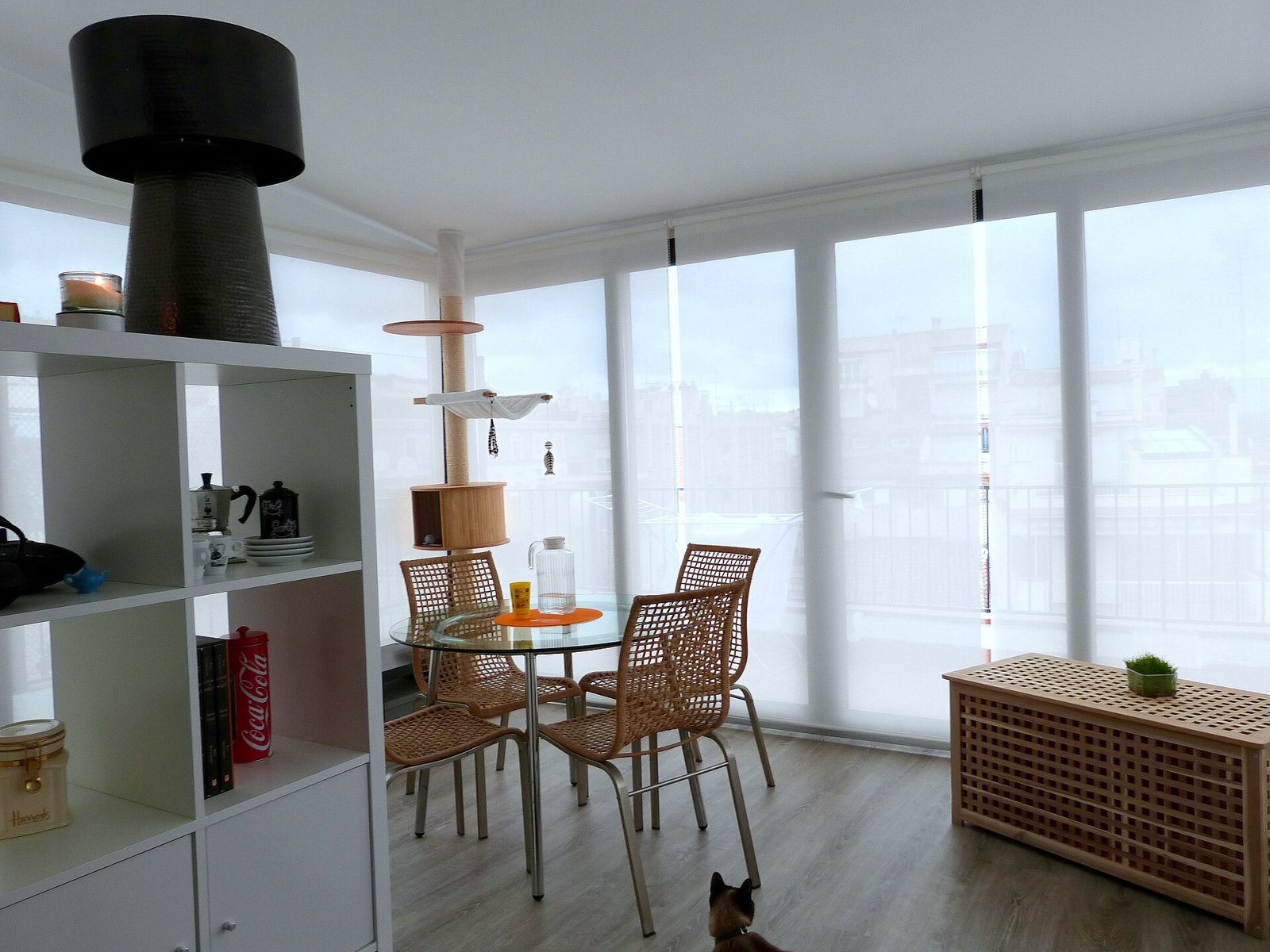
If a fire, burst pipe or break-in hit your apartment tomorrow, renters insurance could be the difference between a setback and starting over from zero.
A lot of renters assume they're already covered. After all, the landlord has insurance on the building, right? That's true, but it doesn't help you much. The landlord's policy protects the landlord's property, not yours.
What is renters insurance, and do you need it?
Renters insurance is a policy that pays to repair or replace your belongings after a covered loss like fire or theft, protects you if you're blamed for someone's injury, and can cover hotel costs if your unit becomes unlivable. You likely need it, because your landlord's insurance doesn't cover the things you own.
That last point surprises a lot of people. The National Association of Insurance Commissioners (NAIC) says plainly that a landlord's policy won't pay for a tenant's possessions, so a renters policy is the way to protect them. Here's what renters insurance does, what it doesn't do and how to buy it without blowing your budget.
The three main parts of a renters policy
Most renters insurance policies bundle three kinds of protection. Knowing what each one does makes it much easier to compare quotes.
1. Personal property coverage. This pays to repair or replace your belongings if they are damaged, destroyed or stolen by a problem the policy covers. According to the Insurance Information Institute (Triple-I), standard renters policies cover losses from fire or smoke, lightning, vandalism and theft, along with certain water damage and windstorm losses. Your exact list depends on your policy, so check the "perils" section.
This coverage isn't always limited to your apartment. The NAIC notes that insured items are often covered if they're stolen by someone who breaks into your car, and that coverage can extend to losses away from home.
2. Liability coverage. Liability means being legally responsible for harm to someone else. Triple-I explains that standard renters policies provide liability protection against lawsuits for bodily injury or property damage, up to your policy limit. For example, if a guest trips over a cord in your living room and gets hurt, liability coverage may help with the costs of a claim or lawsuit. Triple-I notes that some experts recommend at least $300,000 of liability protection.
3. Additional living expenses. Sometimes called loss of use, this helps pay extra costs if a covered problem makes your home unlivable, such as a hotel stay or a short-term rental while your unit is repaired. Triple-I says these policies usually reimburse the difference between your extra costs and your normal living costs, often with caps or time limits. Your landlord's policy won't pay for your living expenses while the building is being fixed.
What renters insurance usually doesn't cover
Knowing the gaps is just as important as knowing what's covered.
- Floods. Triple-I says most renters policies do not cover floods. Renters can buy a separate contents-only flood policy through the National Flood Insurance Program (NFIP) or from some private insurers. FEMA says NFIP contents coverage for renters goes up to $100,000, and that a 30-day waiting period must pass before most flood policies become active, so don't wait until a storm is in the forecast.
- Earthquakes. Most renters policies don't cover these either. Triple-I says earthquake protection can be bought as a separate policy or added to your renters policy as an endorsement.
- Very valuable items. Triple-I notes that jewelry and other expensive items are typically covered only up to a set limit, such as $1,500, for listed perils. For more protection, you can add a "floater" or endorsement, also called a rider.
- Your roommate's stuff. Don't assume your policy protects a roommate's belongings. Triple-I says rules vary by state and insurer, and a domestic partner generally must be named on the policy to be insured. If you share a home, ask your insurer who is covered, or have each person get their own policy.
Always read your policy's "exclusions" section. That's where the insurer lists what it won't pay for, and it's the fastest way to spot a gap before you need to file a claim.
Key terms that change what you get paid
Two policies with the same price can pay out very differently. These terms are why.
Actual cash value vs. replacement cost. This is a big one.
- An actual cash value policy pays what your stuff is worth today, minus depreciation, the drop in value from age and wear. A five-year-old laptop may not be worth much on paper.
- A replacement cost policy pays what it costs to buy a similar new item, without subtracting depreciation.
Triple-I estimates replacement cost coverage costs about 10% more than actual cash value, but it may get you much closer to actually replacing what you lost.
Deductible. Your deductible is the amount you pay out of pocket on a claim before insurance kicks in. Triple-I suggests considering a deductible of at least $500, and notes that raising it to $1,000 may cut your premium by as much as 25%. The trade-off: you pay the deductible each time you file. Pick an amount you could cover from savings without panic.
Coverage limit. This is the most the insurer will pay. Your personal property limit should be high enough to replace your things, and your liability limit should reflect how much protection you want if you're sued.
A worked example: how the payout math plays out
Here's a hypothetical to show why those terms matter. Say a kitchen fire damages your apartment and destroys $8,000 worth of belongings at today's prices: a couch, a bed, a laptop, clothes and kitchen gear. Your policy has a $20,000 personal property limit and a $500 deductible.
- With replacement cost coverage, the insurer bases the payment on what it costs to buy similar new items. You'd get roughly $8,000 minus your $500 deductible, or about $7,500. (Some insurers pay the depreciated amount first and the rest after you actually replace the items.)
- With actual cash value coverage, the insurer subtracts depreciation first. If your used items are judged to be worth $3,500 after wear and age, you'd get $3,500 minus $500, or about $3,000.
- In both cases, if the building is unsafe for three weeks, additional living expenses coverage could help with the extra cost of a hotel or short-term rental above your normal rent, up to the policy's limits.
That $4,500 gap is the real difference between the two policy types. These numbers are only an illustration; your insurer's depreciation and claims rules decide the actual payout.
How to figure out how much coverage you need
You may own more than you think. Clothes, shoes, a bed, a couch, kitchen gear, electronics and a bike add up fast. Triple-I calls a home inventory the easiest way to figure out how much coverage you need.
A home inventory is a detailed list of your belongings with their estimated values. It helps you choose the right coverage amount and can make filing a claim faster. Here's an easy way to do it:
- Walk room by room and take a video on your phone. Open closets and drawers.
- Note big-ticket items with brand names, model numbers and rough prices.
- Save receipts for major purchases when you have them.
- Store your inventory somewhere safe outside your home, like cloud storage or email.
- Update it once a year or after a big purchase.
Add up the rough totals. That number is a good starting point for your personal property limit. If one item, like an engagement ring or a camera, is worth more than your policy's sub-limit for that category, ask about a floater.
Shopping for renters insurance on a budget
Prices depend on where you live, how much coverage you choose and which company you use. As a rough benchmark, the NAIC says an average policy costs between $15 and $30 a month. These steps can help keep your cost in check:
- Get several quotes. Compare the same coverage amounts, deductible and actual cash value vs. replacement cost across companies, so you're comparing apples to apples.
- Ask about bundling. Triple-I notes that insurers often offer a discount if you have another policy with them, such as car insurance.
- Ask about safety discounts. A security system, smoke detectors or deadbolt locks may lower your premium. Some insurers also offer discounts for paying the full policy period upfront. Discounts vary by company and by state.
- Choose your deductible wisely. A larger deductible lowers your premium, as long as you can afford to pay it if you file a claim. Keeping that amount in your emergency fund makes a higher deductible less risky.
- Check your lease. Read your lease to see whether your landlord requires renters insurance or a minimum amount of liability coverage.
- Confirm the company is licensed. Your state insurance department can tell you whether an insurer is allowed to sell in your state.
Once you have a policy, keep it active. If you move, call your insurer to update your address so your coverage follows you.
A quick checklist before you buy
- Finish a home inventory and total it up.
- Decide on replacement cost or actual cash value.
- Choose a personal property limit and a liability limit (Triple-I notes some experts suggest at least $300,000 of liability).
- Pick a deductible you can pay from savings.
- Check whether you need flood or earthquake coverage where you live, and remember most NFIP flood policies take 30 days to start.
- List valuables that may need a floater.
- Clarify how roommates or a partner are covered.
- Compare at least three quotes with the same settings.
What this means for you
If you're renting on a tight budget, renters insurance is one of the cheaper ways to protect yourself from a big, sudden bill. A modest monthly premium can stand between you and replacing everything you own out of pocket, or paying a lawsuit yourself. If you have significant savings or a high income to protect, you might also look at whether an umbrella policy makes sense on top of your renters liability coverage.
Frequently asked questions
Does my landlord's insurance cover my belongings?
No. The NAIC says a landlord's insurance doesn't cover the things you own. You need your own renters policy to protect your possessions and your liability.
Does renters insurance cover flood damage?
Usually not. Most renters policies exclude floods, but renters can buy contents-only flood coverage through the NFIP, up to $100,000, and most NFIP policies have a 30-day waiting period.
How much does renters insurance cost?
It depends on your location, coverage limits, deductible and insurer. The NAIC puts an average policy at roughly $15 to $30 a month.
Does renters insurance cover my roommate?
Not automatically. Rules vary by state and insurer, so ask who is covered or have each roommate buy their own policy.
Sources
- National Association of Insurance Commissioners, Consumer Insight: Renting Your Home? Protect Your Belongings With Renters Insurance
- Insurance Information Institute (Triple-I), Renters Insurance
- Insurance Information Institute (Triple-I), Your renters insurance guide
- FEMA, Don't Wait: Buy Flood Insurance Today
Content on The Evergreen Edit is for educational and informational purposes only and is not individualized financial, investment, tax or legal advice. Learn more.
This article is for educational purposes only and isn't personalized financial, tax or legal advice. Consider talking with a qualified professional about your situation.

Kiara Miller — Founder & Editor
Kiara Miller is the founder and editor of The Evergreen Edit. He has been doing independent finance research for two decades and reviews every article before it's published.
More about Kiara →Get smarter about your money.
Join readers who get The Sunday Edit every week.