When the businesses that cut your hair, fix your car and run your favorite restaurant pay more, some of that cost can show up on your bill.
A monthly survey of America's service businesses, released Monday, Oct. 5, showed that the prices those companies pay climbed in September at the fastest pace in more than four years. The same report showed the service economy is still growing, though a little more slowly than in August, and that hiring improved for the first time in three months.
The report comes from the Institute for Supply Management, or ISM, a group that surveys purchasing and supply managers at companies across the country every month.
What the September report showed
ISM's survey produces a set of index numbers. A reading above 50 means more companies said things were rising or growing than said they were shrinking. A reading below 50 means the opposite.
Here are the key numbers for September:
- Overall services index: 54.9, down from 55.4 in August. That still signals growth, and it marks the 27th month in a row that the service sector has expanded.
- Prices index: 74.0, up from 72.6. That is the highest reading since July 2022, when it was 74.5. It means a large majority of service businesses said the prices they pay for supplies and services went up.
- Employment index: 50.1, up from 47.8. That is the first reading above 50 in three months, a small sign that service companies added workers on balance.
- New orders: 59.8, down from 60.9, still showing healthy demand.
Thirteen service industries reported growth in September, and four reported shrinking.
Among the items companies said cost more were diesel, gasoline and other fuels, memory products, copper, steel, petroleum-based products and software licensing.
Why this matters even if you never read an economic report
The service sector is a huge part of the U.S. economy. It includes restaurants, health care, hotels, repair shops, banks, insurance companies, delivery services and much more. Most of what many households spend each month goes to services, not physical goods.
The prices index measures what these businesses pay, not what they charge you. But when a business's costs keep rising, it has three main choices: raise its own prices, accept smaller profits or cut costs somewhere else. Over time, many choose at least some price increases.
Steve Miller, who chairs ISM's services survey committee, said the jump in hiring "seems to have resulted from increasing backlogs, as well as high levels of business activity and new orders." In other words, demand is still strong enough that some companies need more workers.
What this means for your wallet
This report adds to signs that inflation pressure hasn't gone away. The Federal Reserve raised interest rates in September, and officials are watching data like this closely. Minutes from that September meeting are due out on Wednesday, Oct. 7, and may give more clues about whether more rate hikes are coming.
Here are a few ways this could affect you:
- Service bills may keep creeping up. Think car repairs, restaurant meals, delivery fees and home services. It may help to look at the last three months of your spending to see which service costs have grown.
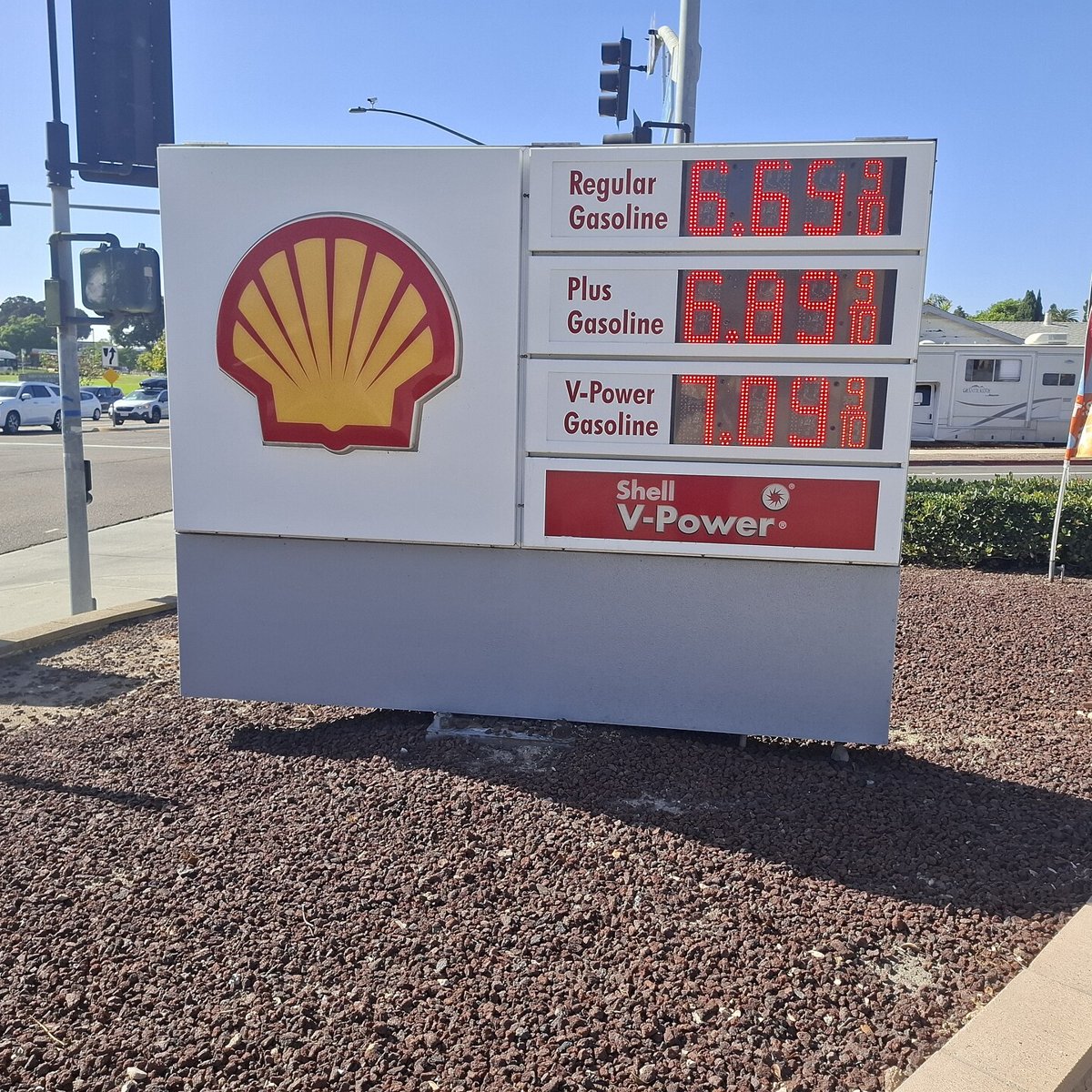
- Fuel costs are a big driver. Fuel showed up again on the list of items costing more, and fuel costs feed into delivery, travel and shipping prices.
- Borrowing may stay expensive. If the Fed stays focused on fighting inflation, rates on credit cards, car loans and mortgages may stay high. Paying down high-interest balances could save more than usual.
- Savers can benefit. Higher rates also mean savings accounts, money market funds and CDs tend to pay more. If your emergency fund sits in an account paying almost nothing, it may be worth comparing options.
A practical step: pick one service you pay for regularly, such as a phone plan, streaming service or insurance policy, and ask whether a cheaper plan or a discount is available. Small savings add up when prices are rising.
This article is for education only and is not financial advice. Everyone's situation is different.
Content on The Evergreen Edit is for educational and informational purposes only and is not individualized financial, investment, tax or legal advice. Learn more.
This article is for educational purposes only and isn't personalized financial, tax or legal advice. Consider talking with a qualified professional about your situation.

Kiara Miller — Founder & Editor
Kiara Miller is the founder and editor of The Evergreen Edit. He has been doing independent finance research for two decades and reviews every article before it's published.
More about Kiara →Get smarter about your money.
Join readers who get The Sunday Edit every week.