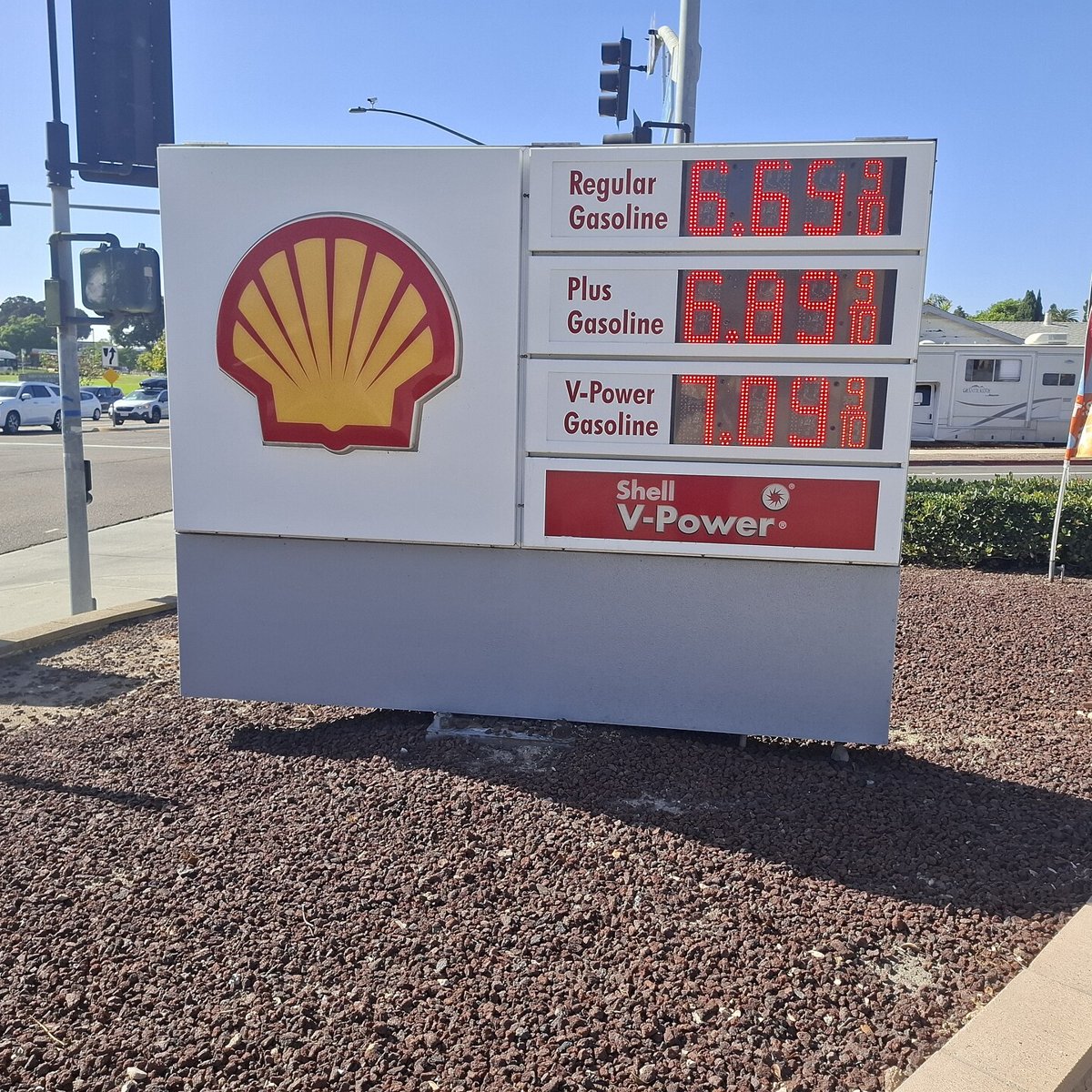
Two weekend announcements moved oil markets a little, but the bigger driver of fuel prices is still the Strait of Hormuz.
Oil prices slipped as markets opened for the new week after President Trump made two announcements aimed at easing a global diesel shortage. On Friday, Oct. 9, he said Russia had agreed to supply diesel to the United States and world markets. Then on Sunday, Oct. 11, he posted on Truth Social: "Effective immediately, there is an ENERGY CEASEFIRE in the War between Russia and Ukraine."
Brent crude, the global oil benchmark, fell 1.2% to $103.49 a barrel on Sunday evening, according to Investing.com. That's a modest move, and experts quoted by Time warned that the deals may do little to bring down prices at the pump anytime soon.
What was announced
The diesel deal came first. Trump said Russia would supply more than 4.8 million tons of diesel: about 300,000 tons right away, 500,000 tons in November, and 1 million tons "immediately thereafter," followed by another 3 million tons depending on Russia's refineries, according to Time and the Associated Press. The Treasury Department issued a temporary license on Oct. 9 allowing transactions in Russian-origin diesel through April 7, 2027.
The energy ceasefire is less clear. Trump gave no details on its terms, and neither Kyiv nor Moscow confirmed it as of Monday, Investing.com reported. Ukrainian President Volodymyr Zelensky told Axios that the ceasefire "was news for me" and said Russian strikes on Ukraine's energy facilities continued on Sunday, though he added on X that Ukraine "supports the ceasefire." A similar claim in mid-September was followed by more attacks on energy sites by both sides.
The diesel deal also drew pushback at home. Seven senators from both parties urged the president to reverse course, and Sen. Thom Tillis said the move may conflict with a 2022 law banning Russian energy imports, Time reported.
Why diesel matters to everyone
Diesel powers the trucks, trains and farm equipment that move almost everything you buy, so when diesel costs rise, prices for groceries and shipped goods tend to follow. Diesel and home heating oil are also closely related fuels.
Diesel averaged $6.28 a gallon nationally on Oct. 11, according to AAA figures cited by Time. That's down from a peak of $6.53 on Sept. 22 but far above the $3.67 drivers paid a year ago. A Pew Research Center survey found that 74% of U.S. adults were very concerned about gas and energy prices, up from 43% in January.
The main cause of the shortage is the U.S. war with Iran, which has disrupted tanker traffic through the Strait of Hormuz, a key shipping route for oil. Iran has stepped up attacks on shipping there since late September, according to Investing.com. Ukrainian drone strikes on Russian refineries have also squeezed global diesel supplies.
What this means for your wallet
Don't count on a quick drop in fuel costs. Economist Olena Lennon called the Russian diesel volumes "minuscule," and Time noted that the first shipment is roughly what the U.S. uses in a single day. Economist Michael Noel told Time that diesel prices will largely track what happens in the Strait of Hormuz.
That means fuel costs could stay high and unpredictable through the winter. To soften the hit, you could:
- Use a fuel price app to find the cheapest station near you, since prices can vary widely within a few miles.
- Combine errands into fewer trips and keep tires properly inflated, which helps fuel economy.
- If you heat with oil, ask your dealer about budget billing, which spreads costs evenly over the year.
- Build a "fuel cushion" line into your monthly budget so a price spike doesn't wreck your plan.
Other recent steps, including a G7 plan announced Oct. 2 to release 100 million barrels of oil and fuel and an Oct. 5 executive order temporarily allowing tax-free red-dyed diesel, are also meant to ease supplies. Whether these measures add up to real relief will depend largely on events in the Middle East.
This article is for education only and is not financial advice. Everyone's situation is different.
Content on The Evergreen Edit is for educational and informational purposes only and is not individualized financial, investment, tax or legal advice. Learn more.
This article is for educational purposes only and isn't personalized financial, tax or legal advice. Consider talking with a qualified professional about your situation.

Kiara Miller — Founder & Editor
Kiara Miller is the founder and editor of The Evergreen Edit. He has been doing independent finance research for two decades and reviews every article before it's published.
More about Kiara →Get smarter about your money.
Join readers who get The Sunday Edit every week.