Sometimes saving slowly isn’t an option. A car repair is coming due, you’re trying to build an emergency fund before a job change, or you need a security deposit for a new apartment in a matter of weeks. In those moments the usual advice to save a little each month feels too slow.
The good news is that a short, focused sprint can free up more money than most people expect. The key is to go after the changes that produce the biggest results for the least effort, and to move every dollar you free up somewhere you won’t accidentally spend it. Here is how to do that.
Start by setting a target and a deadline
Fast saving works best when it has a clear finish line. Decide exactly how much you need and by when. Saving $1,500 in eight weeks is a concrete goal you can break into weekly amounts of about $190. Saving more is vague, and vague goals are easy to abandon the first time a tempting purchase comes along.
Write the number down somewhere you will see it, and track progress at least weekly. Watching the balance climb is surprisingly motivating, and it keeps the sprint from fading into the background of everyday life.
Cut the easy stuff first
Subscriptions are the classic place to start because canceling them takes minutes and the savings repeat every month. Go through your bank and card statements for the past two or three months and list every recurring charge. Streaming services, apps, memberships, cloud storage and boxes delivered on a schedule add up quickly. Cancel anything you haven’t used recently, and pause anything you might want back later.
Food is usually the next biggest opportunity. Restaurant meals, takeout and delivery fees can quietly consume hundreds of dollars a month. You don’t have to give them up forever, but during a savings sprint, planning a week of simple meals, shopping with a list and cooking at home (our budget meal planning guide walks through it) can free up a meaningful amount. Using what is already in your pantry and freezer before buying more stretches the savings further.
Many people also find a no-spend challenge helpful. For a weekend or a full week, you spend money only on true essentials like groceries, bills and transportation. It is less about the money saved on those specific days and more about breaking automatic spending habits and noticing how often you buy things without thinking.
Lower your recurring bills
A single phone call can sometimes save more than weeks of cutting coffee. Call your phone, internet and insurance providers and ask whether there are cheaper plans, promotions or loyalty discounts available. Be polite but direct. Mention competitor prices if you have them, and ask to speak with the retention department if the first person can’t help.
Insurance is worth special attention. Car and renters insurance premiums vary widely between companies for the same coverage, so getting a few quotes can reveal real savings. Raising your deductible can lower your premium, but only do this if you have enough savings to cover the higher deductible if something happens.
Find extra money
Cutting costs has a floor, but earning more does not. Look around your home for things you no longer use: electronics, furniture, clothing, sports equipment, books or baby gear. Selling them through local marketplaces or resale apps (see our guide to reselling) turns clutter into cash and often brings in more than people expect.
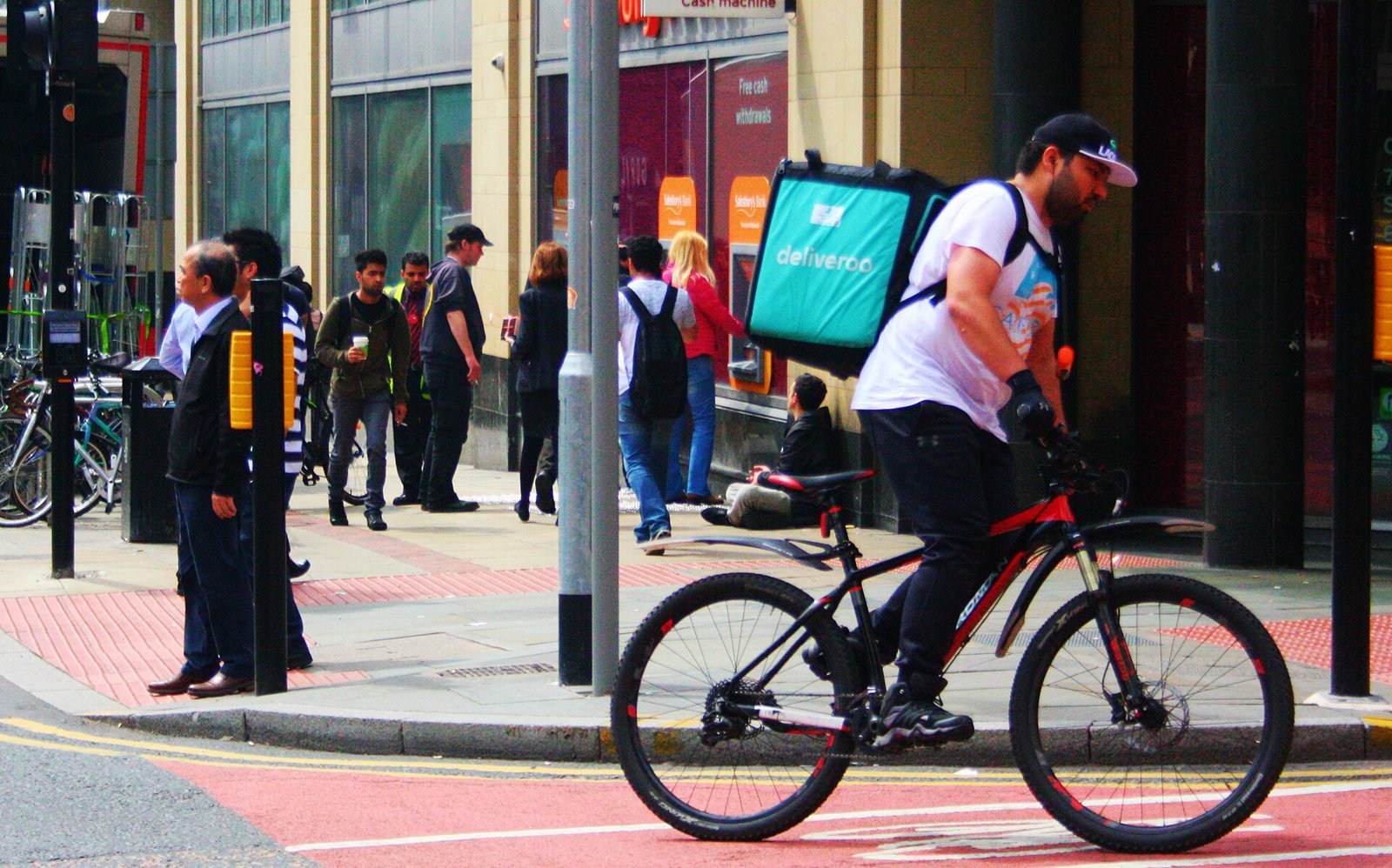
Picking up extra shifts, overtime or a short-term side gig can speed things up dramatically if your schedule allows. Even a few weekends of pet sitting, freelance work or delivery driving can close the gap on a savings goal.
It is also worth checking your state’s official unclaimed property database, which you can find through unclaimed.org, run by the National Association of Unclaimed Property Administrators. States hold money from forgotten bank accounts, uncashed checks, deposits and refunds, and searching is free. Only use official government sites, since you should never have to pay to claim your own money.
If you already use credit cards and pay them off in full every month, routing purchases you were going to make anyway through a cash-back card can return a small percentage. Never spend more to earn rewards, and skip this entirely if you carry a balance, because interest will wipe out any reward.
Protect what you save
Money left in checking tends to disappear. As soon as you free up cash, whether from a canceled subscription, a sold item or an extra shift, move it into a separate savings account. Ideally, choose a high-yield savings account at a federally insured bank so your money earns a bit of interest while it sits.
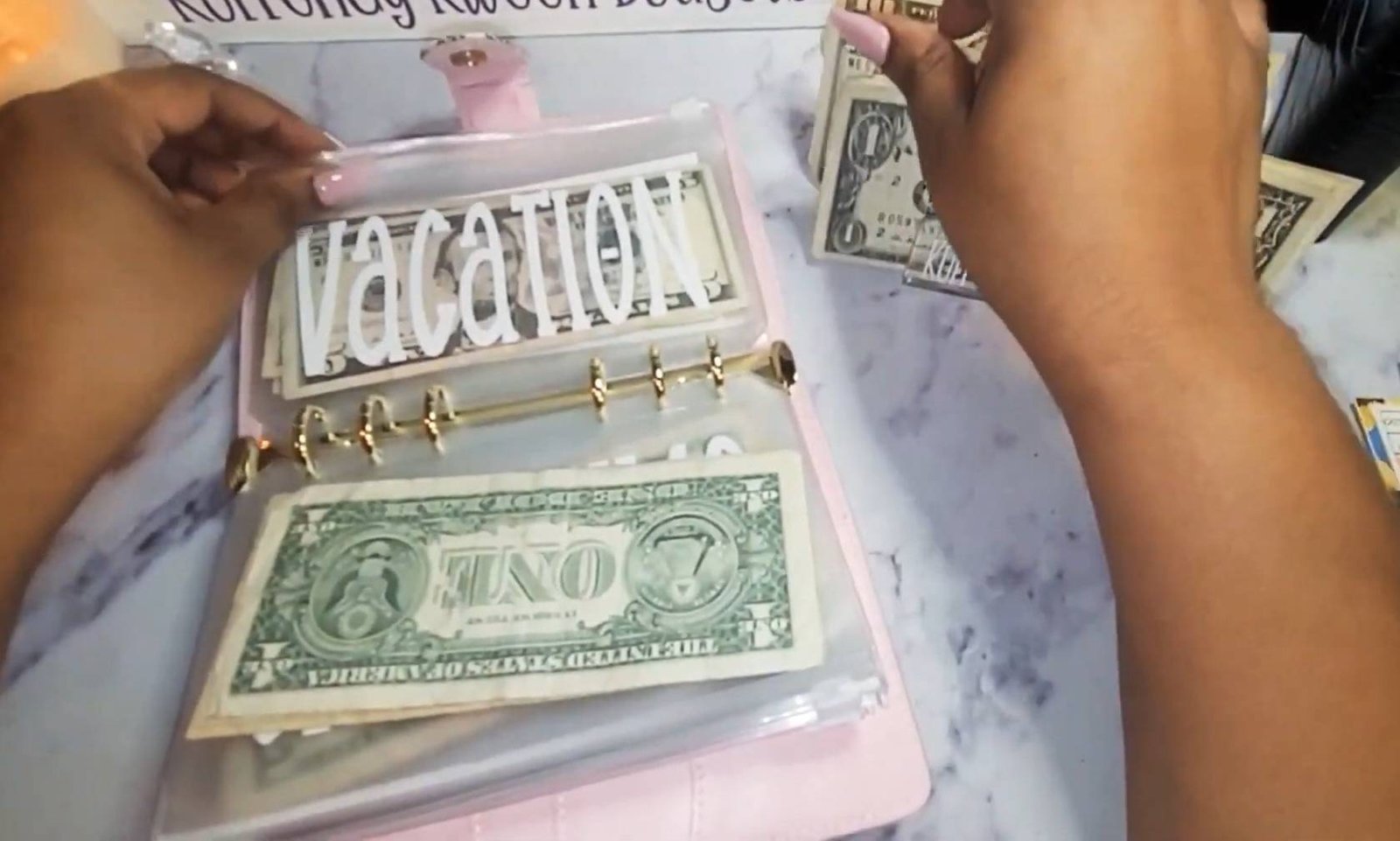
Giving the account a name tied to your goal, such as Car Repair or Apartment Deposit, makes it feel less available for everyday spending. Out of sight really does tend to mean out of mind.
A sample 30-day savings sprint
Here's how the steps above can add up for one household trying to save $1,000 in a month. Your numbers will be different, but the mix of cutting, lowering and earning is what makes a fast goal reachable.
- Week 1: Cancel or pause three subscriptions you haven't used lately (about $40) and plan a week of home-cooked meals instead of two takeout nights (about $60).
- Week 2: Call your phone and internet providers and ask about cheaper plans or promotions (about $35 saved this month, and every month after), and do a no-spend weekend (about $75).
- Week 3: List five things you no longer use on a local marketplace or resale app (about $300 if most of them sell).
- Week 4: Pick up one extra shift or a weekend of pet sitting (about $250), keep cooking at home (about $100), and search your state's unclaimed property list.
- Running total: about $860 in 30 days, plus any unclaimed money you find. Move each amount to savings the day you free it up.
If you're saving for a specific bill, a sinking fund can keep that money separate. Once the sprint is over, build a full emergency fund step by step so the next surprise doesn't require another sprint.
Avoid the traps
A savings sprint shouldn’t create new problems. Don’t skip minimum payments on debts, since late fees and credit damage cost far more than you’d save. Don’t cancel health or other essential insurance to free up cash. And be cautious of anything promising fast money in exchange for an upfront fee, which is a common sign of a scam.
Keep it sustainable
Quick wins are perfect for a short sprint, but extreme cutting is hard to keep up for long. Once you hit your goal, keep the changes that didn’t hurt, such as lower bills and canceled subscriptions you never missed, and let yourself bring back the things you truly value.
Then turn the momentum into a system. Build a simple budget and set up an automatic transfer to savings every payday. That way, the next time you need money quickly, you’ll already have a cushion waiting.
Frequently asked questions
What is the fastest way to save money?
Combine quick cuts with extra income. Canceling unused subscriptions and lowering recurring bills saves money every month, while selling unused items or picking up extra work can bring in larger amounts quickly.
How can I save $1,000 in a month?
Break it into weekly targets of about $250, then mix cutbacks like cooking at home and pausing subscriptions with one or two income boosts, such as selling items you no longer use. Move the money to savings right away.
Is it safe to search for unclaimed money online?
Yes, if you use official sources. Start from unclaimed.org, which links to each state's official program. Searching is free, and you should never pay a fee to claim your own money.
Where should I keep money I'm saving fast?
A separate, federally insured high-yield savings account works well. It keeps the money out of everyday checking while still letting you reach it quickly.
Sources
Content on The Evergreen Edit is for educational and informational purposes only and is not individualized financial, investment, tax or legal advice. Learn more.
This article is for educational purposes only and isn't personalized financial, tax or legal advice. Consider talking with a qualified professional about your situation.

Kiara Miller — Founder & Editor
Kiara Miller is the founder and editor of The Evergreen Edit. He has been doing independent finance research for two decades and reviews every article before it's published.
More about Kiara →Get smarter about your money.
Join readers who get The Sunday Edit every week.