A zero-based budget helps two people agree, in advance, where each dollar goes, which can mean fewer surprises and fewer money arguments.
When you share a life, you often share bills, goals and a few different opinions about money. One of you may love a detailed plan. The other may prefer to "just be careful." A zero-based budget gives you both a clear, shared map.
The idea is simple: income minus everything you plan for equals zero. Every dollar gets a job before the month starts. Zero does not mean your bank account is empty. It means no dollar is left without a purpose.
What a zero-based budget is (and isn't)
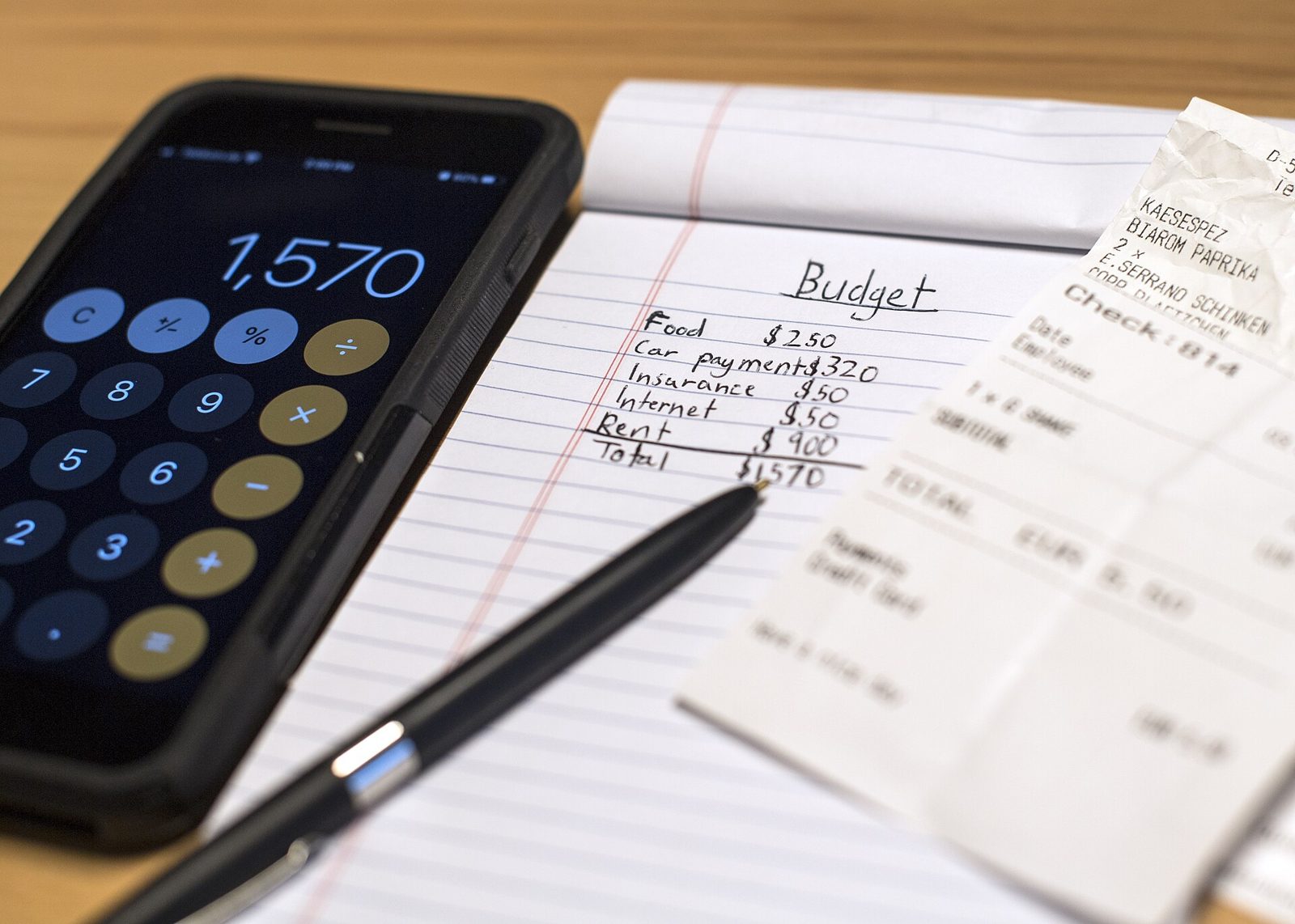
A budget is a plan for your money. Most budgets compare what comes in with what goes out. The Federal Trade Commission's consumer site, consumer.gov, describes a basic budget in three steps: list your expenses, list your income, and subtract to see what is left.
A zero-based budget takes that last step one step further. Instead of leaving the leftover amount loose, you assign it too, to savings, extra debt payments, or a goal like a trip or a down payment.
Here is a quick example. Say a couple brings home $5,000 a month after taxes. They plan:
- $1,700 for rent
- $650 for groceries and household items
- $400 for car payment, gas and insurance
- $300 for utilities, phone and internet
- $250 for minimum debt payments
- $200 for eating out and fun
- $150 for personal spending money ($75 each)
- $150 for gifts, subscriptions and odds and ends
- $700 to savings
- $500 extra toward debt
Add it up and you get $5,000. Income minus plan equals zero. Every dollar has a job.
What a zero-based budget is not: a promise to spend every dollar, or a plan with no room for fun. Savings and fun money are jobs too.
Step 1: Get on the same page first
Before the numbers, have the conversation. Pick a calm time, not right after a big purchase or a stressful bill.
Some questions to talk through:
- What are our top two or three goals for the next year? The next five?
- What spending matters most to each of us?
- How do we want to handle money: fully joint, fully separate, or a mix?
- How much can one of us spend without checking with the other first?
There is no single right answer. The point is to agree on the rules together, so the budget feels like a team plan rather than one person's rules.
Step 2: List your monthly income
Write down your take-home pay, the amount that actually lands in your account after taxes and deductions. Include side income, too.
If your pay changes from month to month, consumer.gov suggests using last year's income to estimate a monthly amount. Many couples with uneven pay build the budget on their lowest likely month. Anything above that becomes a bonus to assign once it arrives.
Step 3: List every expense and goal
Gather a few months of bank and card statements. Sort your spending into groups:
- Fixed needs: rent or mortgage, insurance, car payment, minimum debt payments.
- Variable needs: groceries, gas, utilities.
- Wants: dining out, hobbies, streaming services.
- Irregular costs: car repairs, annual fees, holidays, birthdays. Divide each by 12 and set that amount aside every month.
- Savings and goals: an emergency cushion, retirement, a future home or trip.
- Extra debt payments: anything above the minimum.
Do not forget the small things. A few forgotten subscriptions can quietly throw off a zero-based budget.
Step 4: Assign dollars until you hit zero
Start with the essentials: housing, food, utilities, transportation and minimum debt payments. Then fund savings and goals. Then fill in wants.
Now do the math: income minus all planned amounts.
- If the answer is above zero, give the extra a job. Move it to savings, a goal, or extra debt payments.
- If the answer is below zero, you have planned more than you earn. Look at wants first, then variable needs. Small cuts in a few places may close the gap.
Keep adjusting until you land on exactly zero.
Step 5: Track, check in and adjust
A plan only works if you check it. Consumer.gov suggests tracking spending as you go and comparing it with your plan at the end of the month.
A few habits couples find helpful:
- Hold a short monthly money date. Fifteen to thirty minutes, once a month, to plan next month and review last month. Snacks optional, but recommended.
- Move money, don't break the plan. If groceries run over, shift dollars from another category, such as dining out. Your total still equals zero.
- Budget before the month starts. Each month is a little different. A month with a wedding to attend or a car registration due needs its own plan.
- Use whatever tool you'll actually use. A notebook, a spreadsheet, or an app all work. The best system is the one you both keep using.
Common mistakes and how to avoid them
Being too strict. If there is no fun money, the budget may not last. Give each partner some personal spending money with no questions asked.
Forgetting irregular expenses. Yearly bills and holidays can wreck a month if you didn't plan for them. Setting money aside monthly helps.
Skipping a cushion. Unexpected costs happen. A small "miscellaneous" line can absorb surprises without sinking the plan.
One person doing it all. When only one partner knows the numbers, the other may feel left out, or caught off guard. Both partners should know the plan, even if one handles the day-to-day.
Quitting after one bad month. Your first few budgets will likely be off. That's normal. Each month, your guesses get better.
This article is for education only and is not financial advice. Everyone's situation is different.
Content on The Evergreen Edit is for educational and informational purposes only and is not individualized financial, investment, tax or legal advice. Learn more.
This article is for educational purposes only and isn't personalized financial, tax or legal advice. Consider talking with a qualified professional about your situation.

Kiara Miller — Founder & Editor
Kiara Miller is the founder and editor of The Evergreen Edit. He has been doing independent finance research for two decades and reviews every article before it's published.
More about Kiara →Get smarter about your money.
Join readers who get The Sunday Edit every week.