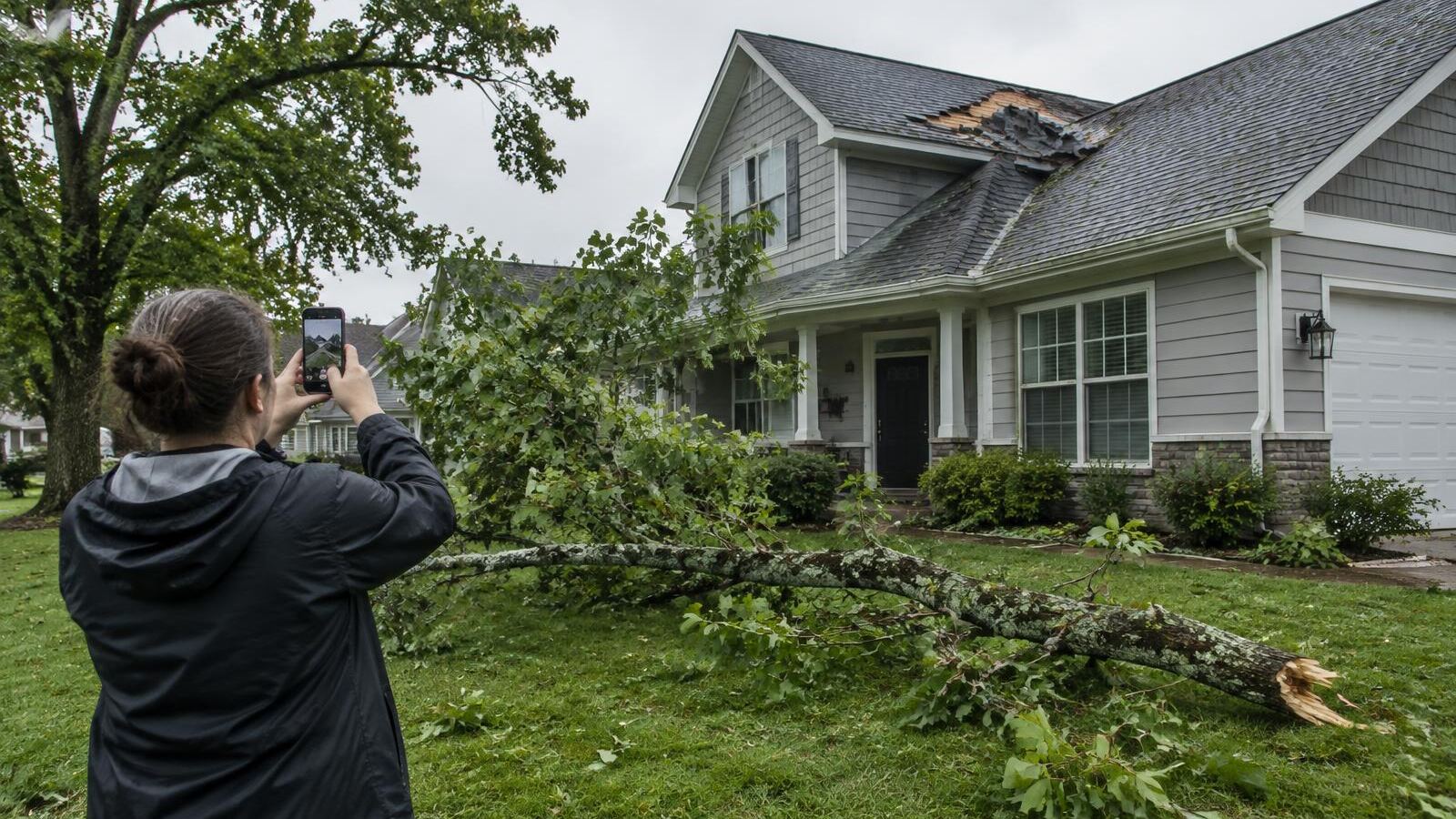
If you have a mortgage, your lender will almost certainly require you to carry homeowners insurance. Many homeowners treat it as just another box to check during closing, choosing whatever policy satisfies the lender and never looking at it again. But the policy that meets your lender's minimum requirements isn't always the one that best protects your family. Understanding what your policy covers, and what it doesn't, can make an enormous difference if disaster ever strikes.
The main parts of a homeowners policy
The most common type of homeowners policy, often called an HO-3, bundles several types of coverage together. Dwelling coverage pays to repair or rebuild the structure of your home if it's damaged by a covered event, such as fire, wind or hail. Other structures coverage protects buildings on your property that aren't attached to your house, like a detached garage, shed or fence.
Personal property coverage protects your belongings, such as furniture, clothing, electronics and appliances, whether they're damaged at home or, in many cases, stolen while you're away. Liability coverage protects you if someone is injured on your property or if you accidentally damage someone else's property, covering legal costs and damages up to your policy limits. Loss of use coverage, sometimes called additional living expenses, helps pay for temporary housing, meals and other extra costs if you can't live in your home while it's being repaired after a covered loss.
What standard policies usually exclude
Knowing what isn't covered is just as important as knowing what is. Standard homeowners policies typically do not cover flood damage. That's a major gap, because flooding can happen in many areas, not just near rivers or coastlines. Flood insurance is available separately through the National Flood Insurance Program and from private insurers. Earthquake damage is also typically excluded and usually requires a separate policy or an add-on, which can be especially important in earthquake-prone states like California.
Policies also generally exclude damage caused by normal wear and tear, lack of maintenance, and pests such as termites. If a roof leaks because it's old and worn out, for example, insurance may not cover it. Read the exclusions section of your policy carefully, and ask your agent about any risks you're concerned about.
Replacement cost versus actual cash value
One of the most important details in a policy is how it pays for damaged property. Replacement cost coverage pays what it would cost to repair or replace damaged property with similar new items, without deducting for depreciation. Actual cash value coverage pays the depreciated value of the item, meaning what it was worth at the time of the loss after accounting for age and wear.
The difference can be dramatic. A ten-year-old sofa might cost $1,500 to replace with a similar new one but have an actual cash value of only a few hundred dollars. Replacement cost policies typically cost more, but they can make a huge difference in how well you recover after a loss.
Choosing your coverage limits
For dwelling coverage, base your limit on the cost to rebuild your home, not its market value or what you paid for it. Rebuilding costs depend on construction prices, materials and labor, and they can differ significantly from a home's market price. Your insurer can help estimate rebuilding costs, and it's wise to review this figure every year or two, since construction costs can rise quickly.
For personal property, a home inventory can help you estimate how much coverage you need. Walk through your home with your phone, recording video or taking photos of each room, including closets and drawers. Note major items and their approximate value. An inventory also makes filing a claim much easier if you ever need to.
For liability coverage, many people choose more than the minimum, especially if they have significant savings or other assets to protect. Some homeowners also add an umbrella policy, which provides additional liability coverage above the limits of their home and auto policies.
Your deductible is the amount you pay out of pocket before insurance covers the rest of a claim. Choosing a higher deductible lowers your premium, but it means paying more yourself if you file a claim. Many people choose a deductible they could comfortably cover from their emergency fund.
Ways to save without losing protection
Shopping around is one of the most effective ways to save. Get quotes from several insurers every year or two, since prices can vary significantly. Ask about discounts, which may be available for bundling home and auto insurance, installing security systems or smoke detectors, having a newer roof or making other home improvements that reduce risk.
In many states, insurers can consider credit-based insurance scores when setting premiums, so maintaining good credit may help. And consider avoiding small claims you can afford to pay yourself, since frequent claims can lead to higher premiums or difficulty getting coverage.
Keep your documents safe
Store your home inventory and insurance documents somewhere outside your home, such as a secure cloud storage account. If your home is damaged by fire or another disaster, you'll need access to them to file a claim.
Review your coverage regularly
Your insurance needs change over time. Renovations, major purchases and rising construction costs can all leave you underinsured. Make a habit of reviewing your policy every year, ideally before it renews, and talk with your agent about any changes. A few minutes of review can help ensure your policy will actually protect you when you need it most.
Content on The Evergreen Edit is for educational and informational purposes only and is not individualized financial, investment, tax or legal advice. Learn more.
This article is for educational purposes only and isn't personalized financial, tax or legal advice. Consider talking with a qualified professional about your situation.

Kiara Miller — Founder & Editor
Kiara Miller is the founder and editor of The Evergreen Edit. He has been doing independent finance research for two decades and reviews every article before it's published.
More about Kiara →Get smarter about your money.
Join readers who get The Sunday Edit every week.